

We Are Negotiating With Sleep… and Losing
A Therapist’s Reflection on Rest, Exhaustion, and Mental Health
Notes From a Therapist’s Couch
A few months ago, I was supporting a birth as a doula. There were several birthing people on the unit, including my client, preparing to deliver. The doctor on call had just started a three-day stretch. Meaning she still had two days left.
At some point, she mentioned she would get a break, and a quiet thought crossed my mind: I wonder how much sleep she’ll actually get.
She was kind, present, attentive, and full of energy. Watching everything unfold reminded me of something that comes up often.
Watching that moment reminded me how often we push through exhaustion in our own lives, convincing ourselves that rest can wait.
When Exhaustion Becomes Normal
Somewhere along the way, exhaustion became normalized, and many of us convince ourselves that rest can wait.
“I’m good with five hours of sleep.”
“I’ll rest later.”
We live in a culture that often treats rest as something we have to earn. But when we negotiate with sleep, we are often negotiating with our mental and physical well-being.
Sleep affects more than feeling tired. It impacts mood, concentration, emotional regulation, and how our nervous system responds to stress.
Yet many of us treat it like the least important part of our day.
When the Mind Won’t Slow Down
Nighttime often becomes the first quiet moment of the day, but for many, the mind refuses to rest. Thoughts of unfinished tasks, replayed conversations, or worries about the future can keep the nervous system on high alert. Stress, anxiety, and emotional overwhelm make it difficult to settle into sleep, creating a cycle where exhaustion feeds into restless nights and daytime fatigue.
Sleep and mental health are deeply connected. When the mind and body don’t get the rest they need, it affects emotional regulation, stress management, and cognitive focus throughout the day. Over time, chronic sleep disruption can intensify feelings of anxiety, irritability, or low mood, making it harder to break the cycle.
Which is why rest is not simply about getting through the night. It is also about allowing both mind and body to recover, reset, and support overall well-being.
Even Our Devices Need to Power Down
There’s lyrics from SZA that always make me pause:
“Robot got future, I don't, robot can't sleep
But I don't power down, I'm wide open, I'm awake
I'm on autopilot.”
Even our devices need to power down. Phones slow down without rest, and computers glitch when overused. Yet many expect their bodies to keep going endlessly. Eventually, something slows down.
Remember When We Had Bedtimes
Let’s be honest, most of us hated it.
But as adults, many of us realize that bedtime wasn’t punishment; it was care. Structure helped our bodies and minds rest. Somewhere along the way, we lost that rhythm, staying up to finish tasks, scroll, or binge-watch. Meanwhile, our bodies are asking for rest.
What Is Sleep Hygiene
Sleep hygiene refers to the habits and environment that support healthy sleep patterns. It’s not just about getting eight hours. It’s about creating conditions that allow your body and mind to truly rest.
And to be clear, there is no universal formula. Everyone’s body, environment, and lifestyle are different. Some strategies work well for certain people while others may not.
But there are small adjustments that can support better sleep. Understanding how sleep affects emotional regulation can help us see why creating supportive habits is essential.
Creating a Wind-Down Routine
Ask yourself: How do I prepare for bed?
Your bed should primarily be associated with sleep and intimacy. Avoid working, eating, or scrolling there. Instead, try:
A warm shower and comfortable pajamas
Dimming lights and relaxing music
Reading, meditating, or journaling
Herbal teas or calming scents like lavender
The goal isn’t perfection! It’s helping your mind and body shift from activity into rest.

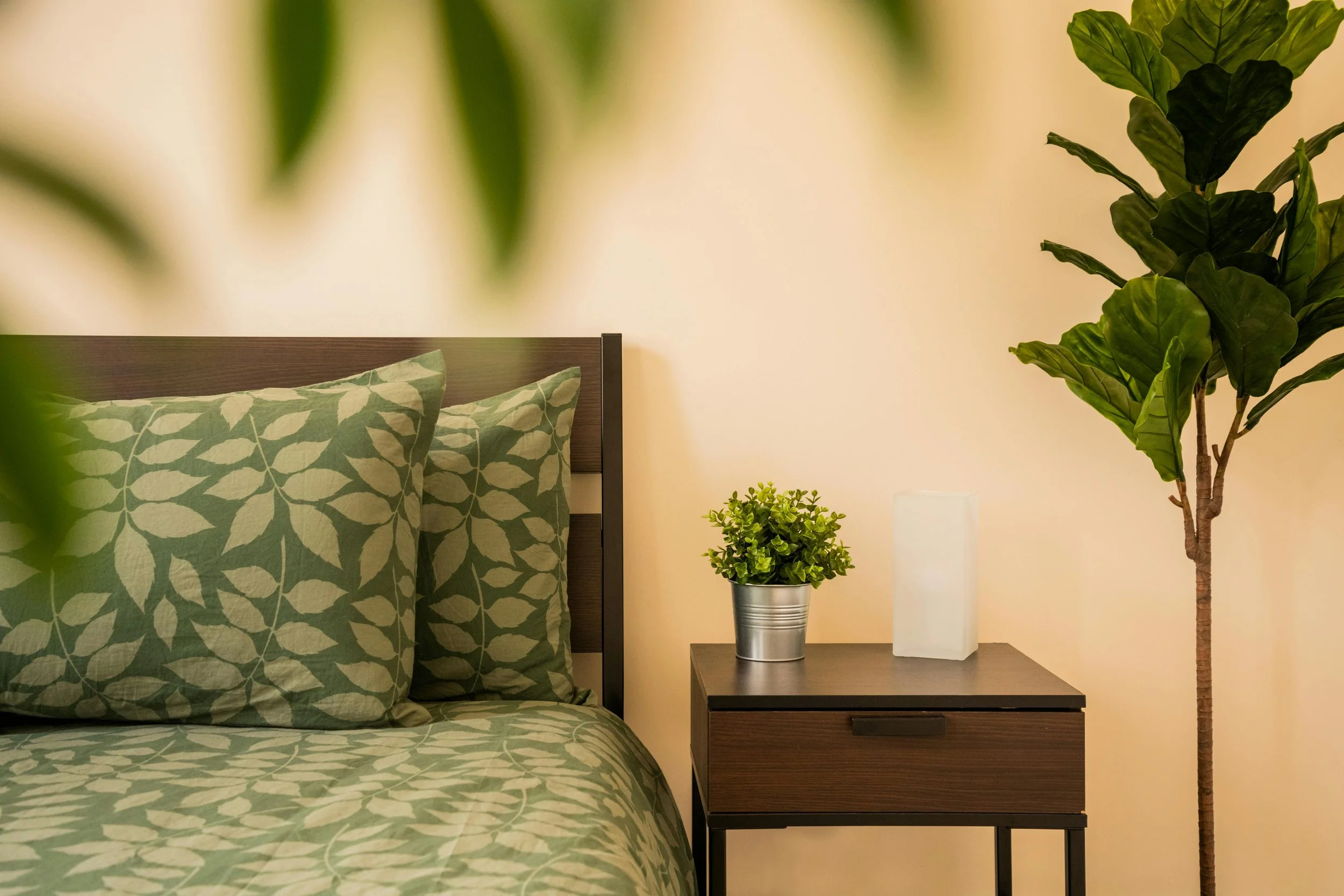
Is Your Bedroom Set Up for Rest?
Take a moment to think about your bedroom environment.
Some people benefit from blackout curtains, comfortable sheets, a fan or heater, or minimizing bright lights from electronics. Creating a darker, quieter space can support deeper sleep for many people.
However, blackout curtains are not for everyone.
If you struggle with depression or difficulty waking in the morning, completely blocking natural light may make it harder for your body to regulate its sleep cycle. Sometimes, allowing natural light into the room helps signal to the body that it’s time to wake up.
Like many things related to wellness, the goal is finding what works best for you.
When Sleep Doesn’t Come Easily
If you’ve been lying in bed for about 15–20 minutes and cannot fall asleep, it may help to get out of bed briefly.
Move to another quiet space with dim lighting and do something calming until you begin to feel sleepy again.
A Final Thought
This conversation about sleep isn’t about perfection.
It’s about awareness.
Many of us have been taught to push through exhaustion, especially in communities where working hard and showing up for others is expected.
But sleep isn’t a luxury. It’s a biological need. Sometimes, the most productive thing we can do for our well-being is something very simple: Power down.
Considering Therapy
Racing thoughts, stress, or overwhelm can make rest difficult. Therapy provides space to explore what may be contributing to sleep difficulties. Schedule a free 15-minute consultation if you want to explore this further.
Resources for Reflection
You can explore the Rest Deck by Tricia Hersey or support a local Black-owned bookstore through my Bookshop page for resources on sleep, rest, and wellness.
